





If you have recently received a notice from the DMV or are facing serious traffic charges, you are likely wondering: is license suspension permanent? yes, your license can be suspended or revoked forever in California under specific, extreme circumstances. However, the law usually refers to this as a permanent revocation or an indefinite suspension rather than a simple timeout.
Is License Suspension Permanent?
In most cases, a standard license suspension in CA is not permanent; it usually lasts between six months and several years. However, is license suspension permanent for some? Short Answer: Yes, California law allows the DMV to permanently revoke driving privileges for severe offenses such as a fourth DUI conviction, vehicular manslaughter, or using a vehicle as a deadly weapon. Additionally, if you have a medical condition that makes you a permanent risk to public safety, the DMV may revoke your license indefinitely.
Suspension vs. Revocation license in CA: What’s the Difference?
To understand if can your license get suspended forever, you first need to distinguish between two terms the DMV uses:
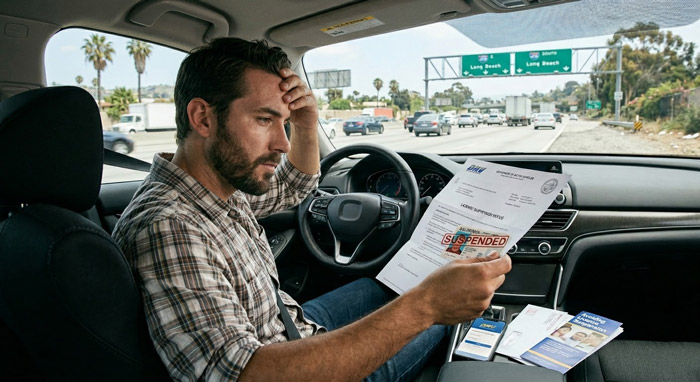
- Suspension: This is a temporary pause on your driving privileges. Once you serve the time and pay the fees, your license is usually returned to you.
- Revocation: This is much more serious. A revocation terminates your license entirely. While you can sometimes reapply after a set period (often 1 to 5 years), you must go through the entire application process again, including the written and driving tests, and the DMV can choose to deny you if they still consider you a risk.
5 Reasons Your License Might Be Lost Forever
While the goal of the California DMV is usually rehabilitation, certain triggers can lead to a lifetime ban or a revocation that feels permanent.
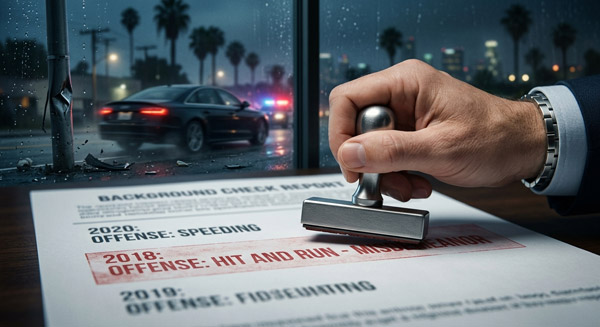
- Multiple DUI Convictions: A fourth DUI within a 10 year washout period can result in a permanent revocation of your driving privileges.
- Felony Crimes Involving a Vehicle: If a vehicle is used as a deadly weapon (Assault with a Deadly Weapon) or if you are convicted of DUI murder (Watson Murder), a lifetime ban is highly likely.
- Commercial Driver Disqualification: For CDL holders, a second DUI even in a personal vehicle often results in a lifetime disqualification from commercial driving.
- Medical or Physical Incapacity: If a physician reports that you have a permanent condition (like advanced dementia or uncontrolled seizures) that prevents safe driving, the DMV will revoke the license indefinitely.
- Habitual Traffic Offender (HTO) Status: If you are caught driving on a suspended license repeatedly and accumulate a Negligent Operator record, your revocation can be extended for years, making it feel like it will never end.
California’s 2026 Legal Landscape for License Suspensions: New Reforms
As of 2026, California has shifted its focus. Under laws like AB 2746, the state has largely stopped suspending licenses for a Failure to Appear (FTA) in court for minor traffic tickets. This is great news for those who previously lost their licenses due to poverty or missed paperwork.
However, for serious offenses like DUIs, the 2026 rules have actually extended the Ignition Interlock Device (IID) requirements. Even if your license isn’t gone forever, you may be required to have a breathalyzer in your car for several years to maintain any driving privilege.
If you receive a suspension notice, you only have 10 days from the date of the arrest or notice to request a DMV Administrative Hearing. If you miss this window, the suspension becomes automatic, regardless of what happens in your court case
Conclusion
Whether or not your license suspension is permanent depends entirely on the severity of your record. While most drivers eventually get back behind the wheel by paying the fines and filling out an SR-22 insurance form, those who have committed serious offenses or multiple DUI convictions face a much higher penalty. The legal system in California is complex, and the 2026 updates emphasize that while minor offenses are forgiven, high-risk behavior will be punished more harshly than ever.