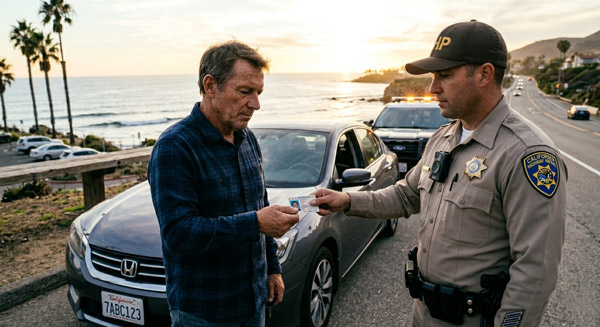




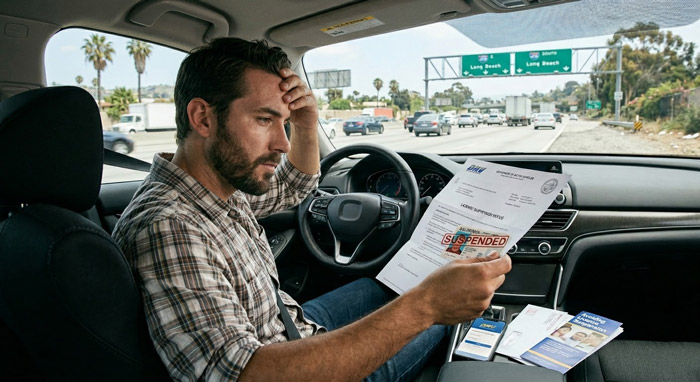

A license suspension in California can happen for several reasons, and the fastest way to protect yourself is to find the trigger early and fix it quickly. In most cases, the issue is tied to traffic points, a missed court date, unpaid fines, insurance problems, a DUI-related action, a medical review, or child support enforcement.
What Causes License Suspension in CA?
The core idea is simple: the DMV or a court usually suspends driving privileges after a specific legal or administrative trigger. For many drivers, that trigger is avoidable if they respond to notices, pay what is owed, and keep insurance and records current.
1) Too Many Points or Unsafe Driving
California can suspend a driver for being a negligent operator. According to the DMV, an order of probation/suspension can happen when a driver reaches certain point thresholds, and the action can include a six-month suspension plus one year of probation. The DMV also says the order becomes effective 34 days after it is mailed.
How to prevent it: slow down before the points add up, take every ticket seriously, and check your
driving record if you have already had a few violations. In practice, drivers often underestimate how quickly a pattern of small moving violations turns into a license suspension in CA.
2) Failure to Appear or Failure to Pay
If you do not go to court on your date, or you do not pay a ticket by the deadline when appearance is not required, the court may treat it as a failure to appear. That can lead to extra fees, collections, a warrant, a DMV hold, and possibly a license suspension.
How to prevent it: do not ignore a citation. Contact the court before the deadline if you need a new date, need a payment plan, or want to correct a mistake on the ticket.
3) DUI or Alcohol/Drug-Related Actions
California’s driver handbook says that a conviction involving alcohol or controlled substances for drivers ages 15–20 can lead to a one-year suspension or a delay in eligibility to apply for a license. The DMV also notes that some DUI-related suspensions require fees and may involve reissue costs.
How to prevent it: do not drive after drinking or using impairing substances, and treat any DUI notice as urgent. If you already have a DUI case, working with a DUI attorney Los Angeles can help you understand deadlines, DMV hearings, and possible ways to protect your driving privileges. The most important move is to follow every requirement exactly and act quickly.
4) Driving Without Insurance After a Collision
If you are in a collision and do not have proper insurance coverage, the DMV says your driving privilege can be suspended for up to four years, and you may need an SR-22 or SR-1P certificate for the final three years to get it back.
How to prevent it: keep liability coverage active, update your insurer when your vehicle changes, and never assume a policy is still valid after a move, vehicle swap, or billing problem. A good prevention habit for license suspension in California is to keep proof of insurance easy to find in both digital and paper form.
5) Medical Conditions That Affect Safe Driving
The DMV says certain medical conditions can affect safe driving, including dementia, diabetes, lapses of consciousness, and vision problems. The DMV may use evaluations and self-assessment tools to decide whether a driver can continue safely.
How to prevent it: be honest with your doctor, follow treatment, and report only what is necessary through the proper process. In many cases, the issue is not the diagnosis itself but whether the condition is controlled well enough for safe driving.
6) Child Support-Related Suspension
California Child Support Services says a 2025 law prevents suspension of a driver’s license for unpaid child support when income is below a certain level, but suspension is still possible for higher-income cases. The agency also says that if your license is suspended for child support, you must work with the child support agency handling your case to get it released.
How to prevent it: stay in contact with the child support agency, make payments on time, and ask about options as soon as money gets tight. Waiting usually makes a license suspension in ca harder to fix, not easier.
Additional Risk: Hit-and-Run Offenses
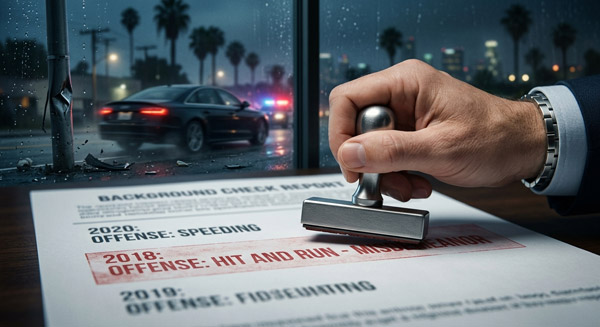
Leaving the scene of an accident is a serious offense in California and can lead to immediate license suspension, criminal charges, and long-term consequences. Even minor accidents can trigger major legal trouble if not handled properly.
How to prevent it: always stop after an accident, exchange information, and report the incident when required. If you are already facing allegations, consulting a Hit And Run Lawyer In Los Angeles can help you navigate the legal process and reduce the risk of severe penalties, including a prolonged license suspension in CA.
What to Do If You Receive a Suspension Notice
First, read the notice carefully and identify the reason. The DMV handbook says you generally have only 10 days after being served, or 14 days from the mailing date, to request an administrative hearing if one is available. Missing that window can cost you the chance to be heard before action is taken.
Then take the exact corrective step tied to your case. That may mean paying court fines, resolving a child support issue, showing proof of insurance, completing a DUI program, or paying reissue fees. California DMV lists online reissue payments such as $55, $125 Admin Per Se, and a $15 child support admin fee in certain cases.
Practical Tips to Avoid License Suspension in California
Keep your address current with the DMV so notices reach you. Check your driving record after any ticket, crash, or court issue. Save insurance proof in your phone and email. And if you get a notice, act the same day instead of putting it off. Those simple habits prevent many license suspension in California problems before they turn into a bigger legal headache.
Conclusion
A license suspension in California is usually the result of something specific: too many points, a court hold, uninsured driving, DUI-related consequences, medical concerns, or child support enforcement. The best way to prevent trouble is to respond early, keep your records clean, and handle every notice as soon as it arrives. If you are facing a license suspension in California, the fastest path is to identify the trigger, fix the underlying issue, and confirm reinstatement with the DMV or the relevant agency before you drive again.
FAQs
How long does a license suspension in CA last?
It depends on the reason. Some suspensions are short, such as 30 days or six months, while others can last much longer, including up to four years in certain uninsured-collision situations.
Can I drive while my license is suspended?
No. If your driving privilege is suspended or revoked, you cannot legally drive until you are reinstated or otherwise authorized.
How do I reinstate a suspended license in California?
You usually must fix the underlying problem first, then pay any required fees and submit any required documents, such as insurance proof or a clearance from the agency involved. For some DMV reissue situations, California lists online payment options for specific fees.
What if I think the suspension was a mistake?
Contact the DMV, court, or child support agency tied to the suspension immediately. California child support guidance specifically says to contact the agency handling your case right away if you believe the suspension was issued in error.
Is a restricted license available?
In some cases, yes, but eligibility depends on the reason for the suspension and your compliance with the required steps. For example, DMV guidance notes that certain insurance-related suspensions can be partially addressed during the last three years if SR-22 or SR-1P proof is maintained.